Best Test Alert Features for Driving Test Swaps
Published 21 September 2026
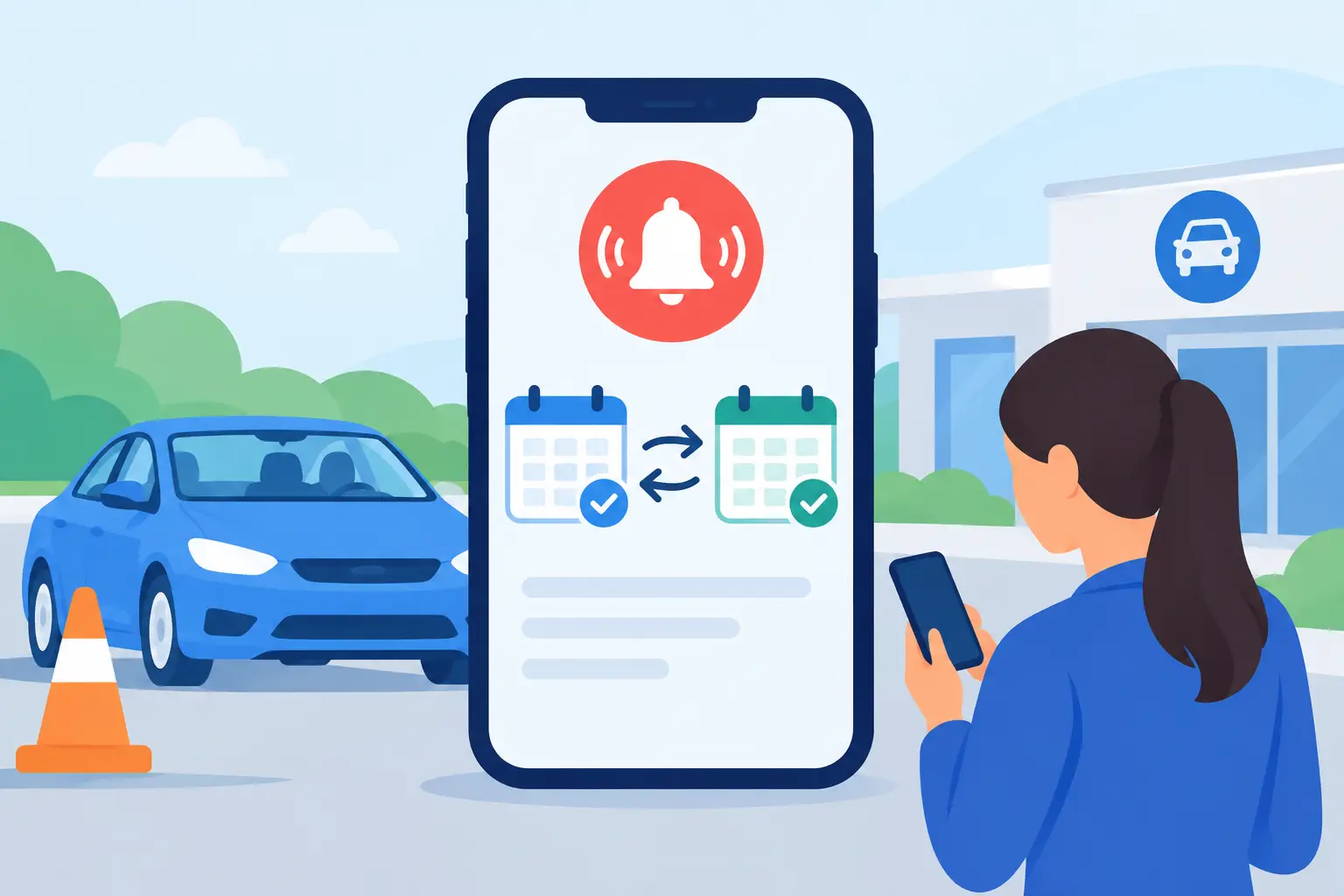
You have already secured a practical driving test booking. That matters. Cancelling it just to chase an earlier date, a different test centre or a slot that suits your instructor can put you back at the end of a long queue. The best test alert features should help you look for a better option without risking the booking you already have.
For a driving test swap, an alert is only useful when it arrives quickly, matches what you actually need and gives you a clear next step. Anything less simply creates more screen time, more missed opportunities and more uncertainty.
What makes a driving test alert worth having?
A useful alert system does more than tell you that a test appointment exists. It compares your current booking with the preferences of other learners and lets you know when there is a realistic opportunity to exchange dates.
That distinction is important. A standard cancellation alert may show an appointment that has already gone by the time you check it. It may be at a centre you cannot reach, on a day you are working or before you are ready. A swap alert should be built around compatibility, not just availability.
The right features also protect your position. You keep your existing DVSA booking while looking for an alternative. If no suitable match comes up, you still have a test date in the diary.
The best test alert features to look for
1. Instant SMS and email notifications
Speed is the first requirement. Good driving test dates do not wait around, and neither do suitable swap opportunities. Email gives you a written record with the key details, while SMS is harder to miss when you are at work, in a lesson or away from your inbox.
Using both matters. An email-only alert can get buried under promotions or arrive too late for you to act. SMS-only alerts can be brief and easy to overlook if they do not explain enough. Together, they give you the best chance of seeing a match promptly and deciding whether it works.
An alert should state the proposed date, test centre and the action required. Vague messages that make you log in and hunt for the details waste valuable time.
2. Flexible date ranges
Most learners do not need one exact date. They may need a test before university starts, after a work project ends, once their instructor returns from holiday or within a few weeks of feeling test-ready.
Look for alerts that allow you to set a sensible date range rather than forcing you to pick a single day. This increases the number of possible matches without sending options you would never take.
Flexibility needs limits, though. Selecting every date over several months may produce more alerts, but it can also make it harder to make a quick decision. Choose a range you can genuinely accept. If you need extra lesson time, do not include dates before you will be prepared simply because they are earlier.
3. Multiple preferred test centres
A nearby centre may be ideal, but it is not always the only practical choice. If you can travel to two or three centres, or your instructor covers more than one route area, that flexibility can make a major difference to the matches you receive.
The best alert settings let you name preferred centres rather than sending every appointment across the country. You stay in control of where you take your test, while opening up more realistic routes to an earlier or more convenient date.
Before adding a centre, check the practical side. Can you get there for the test time? Will your instructor be available? Are you comfortable taking the test on roads you have had enough time to practise? A faster date is not automatically a better date if it leaves you less prepared.
4. Matching based on both drivers' needs
A true swap needs two people whose plans work together. You might have a July test and want one in May. Another learner may have a May test but be moving house, starting a new job or needing more time to practise. That is where a matching system earns its place.
The strongest alerts identify compatible pairs rather than asking you to scroll through a general list of dates. Your current booking, preferred date range and selected centres should all be considered before an alert is sent.
This is also fairer than relying on endless manual checking. You are not trying to beat thousands of people to a cancellation page. You are being notified when another learner's needs line up with yours.
5. Clear controls over your alerts
Your plans can change quickly. You might pass your theory test later than expected, change instructors, move area or decide that your original date is now the right one after all.
A good alert service lets you update your preferences easily. You should be able to amend your date range, add or remove test centres and stop alerts when you no longer need them. Out-of-date settings create poor matches and waste time for everyone involved.
Accuracy matters at the point of listing, too. Enter your booked test date and centre carefully. A small error can prevent a genuine match or lead to a conversation about a swap that cannot happen.
6. A clear, legitimate completion process
An alert is only the start. Once a match is found, you need to know exactly what happens next. There should be no mystery about who changes the bookings, how the exchange is confirmed or whether your test information is being handled properly.
For driving test swaps, the final booking change should be completed through the DVSA's official phone line. That keeps the process legitimate and puts the actual appointment change where it belongs - with the official service.
Be wary of anyone promising they can privately alter a DVSA booking, guarantee a test pass or sell an appointment outright. A proper swap service connects learners with compatible bookings and explains the process plainly. It does not ask you to hand over control of your booking or rely on unclear arrangements.
Alerts should reduce risk, not create pressure
The pressure to get an earlier driving test can be intense. You may need a licence for work, want to travel independently or be tired of spending money on lessons while you wait. That does not mean every earlier date is right for you.
The best systems give you options, not pressure. You decide whether to proceed when a match appears. Keep the date that gives you a fair chance of passing, and check with your instructor before agreeing to a move if you are unsure.
There is a trade-off between being highly selective and finding a match sooner. One centre and one narrow date window may suit your schedule perfectly, but it will reduce the pool of possible swaps. A wider range and a few realistic centres can improve your chances. The sensible choice depends on how fixed your commitments are and how ready you are to take the test.
A practical checklist before you turn alerts on
Set your alerts up around real availability, not an idealised plan. Confirm the exact details of your existing DVSA booking, speak to your instructor about dates they can cover and decide how far you are prepared to travel.
Then think about notification speed. Keep text alerts switched on and make sure the email address you use is one you check. If an alert needs a response, waiting until the end of the day could mean missing a suitable match.
Finally, do not cancel your current test while you search. A date you already hold is valuable. Services such as DrivingTests.co.uk are designed to help learners look for a compatible change while retaining that place, with no subscription or upfront commitment to join.
Choose alerts that work around your life
The right test alert feature is not the one that sends the most messages. It is the one that sends relevant opportunities quickly, gives you enough choice and keeps your existing booking safe while you decide.
Set realistic preferences, stay ready to respond and only move your test when the new date works for your preparation, your instructor and your life. A well-timed alert can turn months of waiting into a practical next step.
Looking to swap your driving test date?
See how it works